Cardiac apprehension does not send out a calendar welcome. It occurs in kitchen areas and car parks, on sports fields and . The few mins in between collapse and the arrival of paramedics are unforgiving. The ideal type of training can tilt those minutes in your favour. The question many people encounter is not whether to discover CPR, however which degree obviously makes good sense for their duty, their danger environment, and their confidence.
I have actually instructed and monitored both fundamental and innovative CPR training in offices, colleges, and clinical settings. The most effective suit is seldom concerning ego or passion. It is about the chance of the emergencies you will certainly face, the tools you will certainly have, and the team you will become part of. This guide breaks down the genuine distinctions between standard and advanced programs, where the overlap lies, and just how to pick with your eyes open.
What "fundamental" and "innovative" really mean
In first aid and CPR training, tags can blur in between carriers. Fundamental training courses cover grown-up CPR and AED usage, typically with child and baby components added. Advanced training courses include rhythm acknowledgment, airway complements, bag-mask ventilation, and team-based resuscitation. In health care, progressed implies going deeper: formulas for cardiac arrest, breathing failing, and peri-arrest scenarios with medicines and monitoring.
For the general public, a strong first aid and cpr course focuses on premium chest compressions, rescue breaths or compression-only protocols, safe AED operation, choking response, recuperation placement, and scene assessment. It aims First Aid Certificate Salisbury - first aid and cpr course to get you from zero to effective within a day. Many companies request a first aid certificate that consists of CPR. These first aid courses frequently run 6 to 8 hours, integrate practical drills with short evaluations, and comply with nationally recognised standards from resuscitation councils.
Advanced CPR courses are made for clinical teams and designated responders in risky atmospheres. They presume knowledge with standard CPR and include complexity. Instances include bag-valve-mask air flow with an oropharyngeal air passage, two-rescuer coordinated compressions and respirations, checking oxygen saturation and capnography if offered, hands-on defibrillation for trained medical professionals, and algorithm-driven care for shockable and non-shockable rhythms. The teaching runs longer, the scenarios are extra technical, and the assessment is stricter.
The key in every one of this: even more web content does not immediately imply far better preparedness for your setting. The best cpr course is the one that optimizes what you can reasonably perform in your setting with the tools you will in fact have.
The stakes, by the numbers
Defibrillation within 3 mins can press survival from shockable rhythms above half in some community researches. Every minute without CPR or defibrillation drops survival by roughly 7 to 10 percent. Top quality onlooker compressions dual or three-way survival opportunities compared with not doing anything. Those are the numbers that matter, and they sit squarely in the capability of a well-run fundamental cpr training session.
Advanced treatments, when done by exercised teams with the ideal gear, increase the ceiling additionally in healthcare facilities and fully equipped centers. Yet outside those setups, an overstuffed skill listing that rots promptly can come to be false comfort. Your decision ought to focus on sustaining proficiency over time.

Who typically needs which level
I frequently start decisions with a basic map of roles versus likely tools and teams.
- Community -responders and many workers: Basic first aid and cpr course, ideally grown-up plus youngster modules. Add a cpr correspondence course every year even if the formal first aid certificate runs longer. Early youth instructors and parents of infants: Select standard with devoted baby skills. Many first aid and cpr courses supply infant-focused stations that cover compressions at a 30:2 proportion, two-finger technique, and baby choking relief. Fitness trainers, lifeguards, and sports coaches: Standard with kid and adult modules, plus practice with AED positioning on perspiring or damp skin. Focus on fast scene control, changing rescuers, and maintaining compression high quality during transport. Construction, manufacturing, and remote work crews: Basic first aid course with CPR, plus trauma components for bleeding control, cracks, and crush injuries. If you have an on-site clinical room or oxygen, take into consideration an intermediate upgrade with bag-mask practice, however only if the equipment is preserved and accessible. Dental clinics, urgent treatment, and clinical workplaces: Advanced CPR or healthcare-provider level training with bag-mask ventilation, oxygen, suction, and manual defibrillation if your scope allows. These groups can and should practice function assignments. Hospitals and ambulance services: Advanced, algorithm-driven courses with normal simulation, debriefs, and metrics on chest compression fraction and peri-shock pause.
What fundamental CPR courses instruct well
When I watch a great standard class, three things attract attention. First, it engrains the rhythm and depth of compressions. Grownups call for about 5 to 6 centimetres of deepness at a rate of 100 to 120 per min, complete recoil, marginal interruptions. Second, it reduces AED anxiety. The devices are developed to chat you through pad positioning, safety and security checks, and shock delivery. Third, it sets realistic concerns under anxiety: call for assistance quickly, begin compressions, apply the AED, switch rescuers every 2 mins to preserve quality.
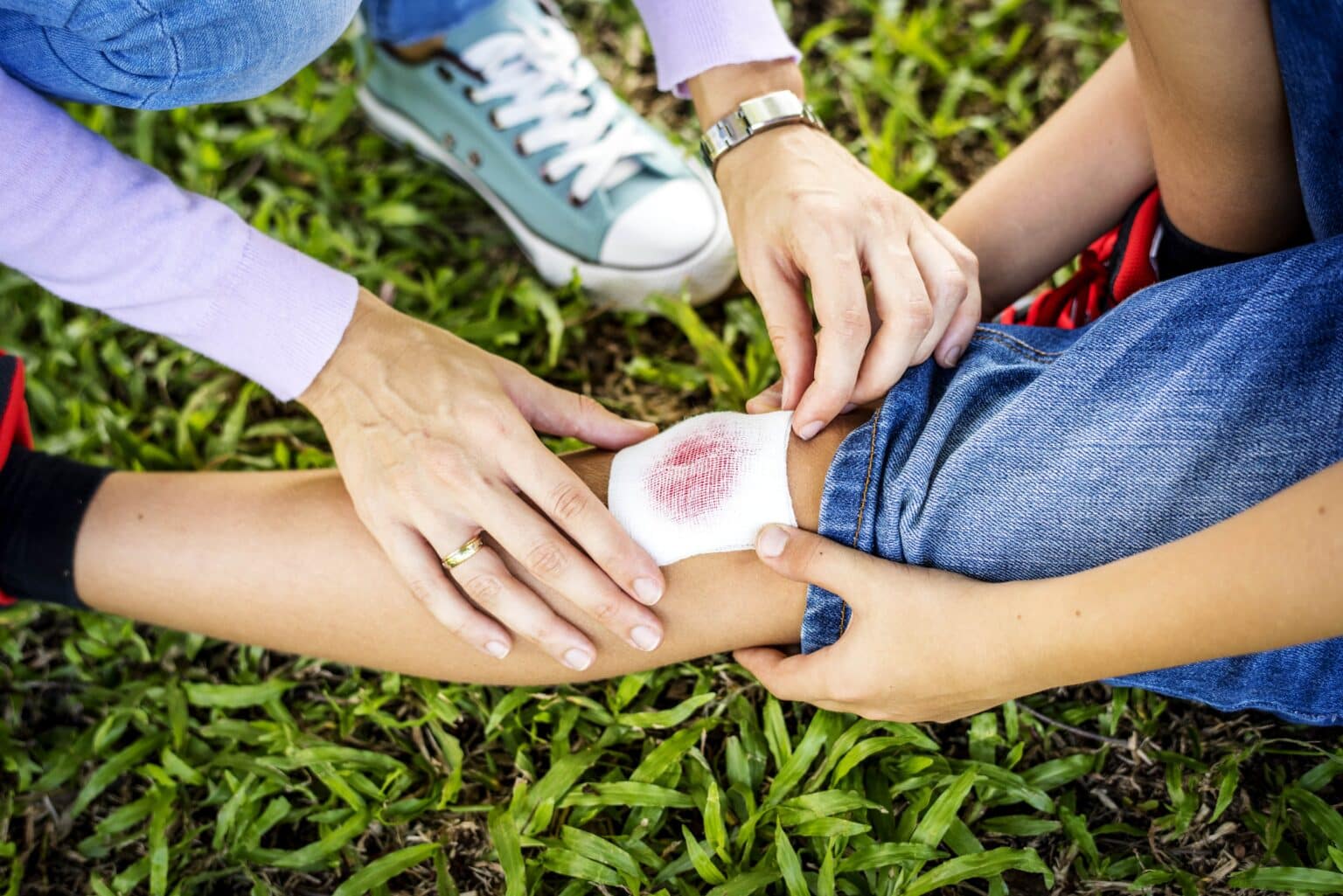
In a combined first aid and cpr course, you likewise learn to handle choking, passing out, seizures, burns, and bleeding. Those scenarios will outnumber arrests in the majority of people's lives. A quick tale illustrates this. In one storehouse, staff desired innovative CPR since a nearby site had mounted oxygen. Throughout a review we found their greatest occurrences were lacerations and passing out during warm spikes. We updated their hemorrhage control, included fans and water points, and kept CPR at the fundamental degree. The next season, they tracked no heat-related rescue telephone calls and handled one AED deployment confidently.
What progressed CPR adds, and when it pays off
Advanced training makes the most distinction when you have a team and the devices to spread functions: compressor, respiratory tract supervisor, monitor/defibrillator driver, team leader. It instructs you to minimise peri-shock stops, pre-oxygenate effectively, take care of airways without over-ventilating, and read rhythms. You find out to integrate reversible causes, the acquainted Hs and Ts, right into an arranged approach.
I have actually seen sophisticated groups cut peri-shock pauses from six or 7 secs to under 3 after focused method. That modification alone, increased throughout a few shocks, enhances perfusion and enhances the probabilities of return of spontaneous circulation. But reaching that level calls for rep, metrics, and management. A one-off advanced course without practice frequently does not stick.
For non-clinical groups, the most useful piece of "advanced" to add is bag-mask air flow for breathing apprehensions and peri-arrest states. The strategy is deceptively hard. An aide has to hold a limited seal with the mask while the various other presses the bag gradually, looking for visible breast increase. If your website shops a bag-valve-mask and oxygen, invest the moment to exercise quarterly. If you can not suffer that, do not include the gear just to tick a box.
Decay of abilities and the situation for refreshers
CPR is a psychomotor ability. Like connecting knots or playing a musical tool, it fades without usage. Researches recommend meaningful degeneration in as little as 3 to six months for compressions and AED steps. This is why I press for a cpr refresher course every year, with casual drills in between. For advanced teams, refreshers ought to be shorter and much more regular. Ten-minute mock codes after handover, or regular monthly scenarios with rapid debrief, maintain the sides sharp.
Many first aid training carriers supply short cpr courses customized to those that only need the resuscitation element. This is useful for workplaces where the first aid certificate stays legitimate, however the team want hands-on CPR practice mid-cycle. Try to practice on various manikins if you can. Some simulate breast recoil and offer feedback on compression deepness and rate. Data-driven comments tightens skills much faster than spoken mentoring alone.
Equipment reality check: what you will certainly carry the day
Before booking anything, audit your setting. An AED is the single most impactful gadget for out-of-hospital arrests. If your website has one, pull it out of the cabinet. Examine pad expiration days, battery indicators, extra pads for kids if relevant, a towel or razor for sweaty or hirsute upper bodies, and scissors for clothes. If you have greater than one AED on a large website, note their locations on a map and see to it protection and reception personnel know.
If you prepare to train on bag-mask ventilation, verify you have masks in multiple dimensions, oxygen cyndrical tubes serviced and filled up, regulatory authorities examined, and suction offered. Do not train beyond your devices. It types complication and hesitation in a crisis.
Matching course depth to your risk profile
Think regarding 3 variables: who you offer, the hold-up to specialist treatment, and the predictability of emergency situations in your context.
Schools and child care Cannon Hill First Aid Training setups profit tremendously from infant and youngster modules within a first aid and cpr course. Kids are not miniature adults. Airway dimension, upper body compressions, and choking maneuvers differ. Moms and dads who have done baby CPR technique report reduced panic and quicker activity when a kid chokes on a grape or a coin. In my courses, we constantly slow down that scenario and repeat it till it is nearly automatic.
Remote worksites, from mines to wind farms, might see longer EMS action times. Below, intermediate abilities like oxygen administration and bag-mask ventilation can bridge the space if preserved properly. The training time cost increases, so balance it with on-site drills and tools checks. If your reality includes helicopter emptyings and weather delays, progressed training comes to be less optional.
Clinics and dental practices are deceitful. Emergency situations feel unusual till they are not. Sedation, vasovagal responses, and hidden cardiac condition in waiting spaces are a fact of life. These teams sit near displays, oxygen, suction, and defibrillators. Advanced CPR training is the ideal fit, and you must pierce duty job: who calls for help, that starts compressions, who manages the air passage, First Aid and CPR Course Toowoomba - cpr course near me who pushes the cart.
How to read a course rundown like a pro
Training providers listing long menus. Concentrate on substance. You want an outline that specifies hands-on time, manikin-to-student ratio, and situations that match your environment. Ask whether the class makes use of responses manikins, whether AED practice consists of different versions, and how instructors appropriate ventilation prices to stay clear of over-inflation.
Avoid training courses that pack way too much right into insufficient time. A full first aid course with CPR that runs four hours for a loads individuals can not provide purposeful practice. 6 to eight hours is a reasonable block for grownups to exercise skills, take in understanding, and pass analyses without being rushed. Advanced programs must book at least half the moment for scenarios.
If your provider is First Aid Pro or one more big organisation, ask for the fitness instructor's background. Real-world -responders bring subtlety that slides do not. They will speak about backboards that do not fit narrow hallways, or AED cupboards that lock accidentally, or what to do when your only skilled initial aider is the one that collapses.

The human factors you can not ignore
In actual events, the technological abilities issue, but the human ones frequently make a decision the outcome. I have actually watched teams freeze while someone looked for the AED secret. I have seen compressions quit due to the fact that 2 rescuers suggested regarding the proper proportion. I have actually listened to a rescuer pass over loud so loudly that no person heard the AED advise a shock.
Your training course must teach duty clarity, interaction patterns, and scene management. Also a fundamental cpr course can develop this by appointing a leader that aims and calls names: "Alex, telephone call emergency solutions. Priya, bring the AED. I am starting compressions." Excellent instructors practice this till it appears all-natural. The objective is to minimize the secs shed to confusion, and to protect onlookers from spilling into the scene.
Fatigue administration is an additional under-taught aspect. After 60 to 90 seconds, most individuals's compressions shallow. Build a routine of switching every 2 minutes throughout rhythm checks. The smoother you make that exchange in training, the much less pause you will have on the day.
Certification, acknowledgment, and employer compliance
Most employers want a first aid certificate straightened with nationwide criteria. Inspect the code or recommendation used by the carrier and guarantee it fulfills your regulator's demands. For medical care staff, advanced courses commonly map to details specialist requirements and may bring proceeding education credit ratings. If you need CPR for your professional enrollment, validate that the cpr courses you choose please the specific phrasing on your permit renewal.
Be skeptical of ultra-cheap, online-only CPR certificates that use no hands-on analysis. While theory matters, you can not learn correct compression deepness, hand positioning, or mask seal without responses. Combined understanding can work well: concept online, skills analyzed face to face. If you opt for blended, do not avoid the practical. That is where the understanding secures in.
How to take advantage of whichever training course you pick
Training is an event. Skills is a practice. After you finish a first aid and cpr course, develop small rituals that maintain abilities live.
- Schedule quick refresher courses. Ten minutes per month on compressions and AED arrangement beats a solitary marathon session every 2 years. Rehearse your atmosphere. Walk to the AED, open the cabinet, and examine materials. Practice providing clear instructions to emergency services with your actual address and access instructions. Rotate obligation. In workplaces, have different staff member lead drills. Confidence spreads when even more people attempt the leadership role. Gather near misses. If somebody chokes yet recovers without intervention, speak it via. What went right, what would you transform, and what tools needs attention? Log checks. Batteries pass away and pads end. A basic monthly checklist avoids embarrassment and hold-up when secs matter.
These routines cost little and shield your training financial investment. They also lower anxiety. The following time you hear a thump in the lunchroom, you do not start from zero.
Edge situations and straightforward trade-offs
Not every circumstance fits neatly right into standard or innovative categories. Below are common problems I see.
Volunteers at large public events often push for innovative abilities. The much better path is a solid basic team with radios, clear zones, and roaming AEDs. If you occur to have a medical professional or paramedic on the group, settle on just how their range integrates instead of trying to upskill every person overnight.
Small centers with minimal staff encounter a selection in between deep training for a couple of or wide basic skills for all. I choose a tiered method: every person masters top quality compressions and AED usage, while a part trains in respiratory tract monitoring and drugs if allowed. After that you pierce just how that part gets to the scene fast.
Parents often ask whether to include rescue breaths. For grown-up abrupt heart attacks of assumed cardiac origin, compression-only CPR can be efficient in the first few mins, especially for untrained rescuers. In drowning, overdose, or pediatric arrests, air flow is more vital. A good cpr course will certainly instruct both, then assist you decide which to apply based upon the scenario. The sensible selection is to learn both skills and default to compressions if you are alone and can not manage breaths well, or to breaths and compressions if you have actually help.
Workplaces often think about oxygen due to the fact that it really feels innovative and responsible. Oxygen aids when utilized properly but adds maintenance, fire risk, and training demands. If your personnel will certainly not exercise bag-mask air flow quarterly, keep your system simple: exceptional compressions, fast AED implementation, fast EMS activation.
Cost, time, and opportunity
Budget and organizing matter. A fundamental first aid course with CPR can run as a solitary workday or split right into two half-days. Advanced training will likely need at least a day plus pre-reading or on-line components. The concealed expense is lost efficiency throughout training hours. The hidden benefit is less lost hours later on as a result of avoidable events, tighter emergency situation feedbacks, and personnel who really feel valued.
Compare service providers on more than price. Ask about trainer-to-student proportions. 8 trainees to one teacher is strong for hands-on. Sixteen to one begins to water down feedback unless there are assistant trainers. Ask whether you can tailor scenarios to your setting. If your group works on roofs, you wish to practice on constrained surfaces and go over secure access for responders.
A functional course to your decision
Start with your atmosphere and end with your people. Draw incident logs for the previous 2 years. Talk to staff about near misses they never ever reported. Examine your EMS response times, also if simply in ranges. Walk your website and locate the AEDs. From that image, compose 2 sentences that define the emergencies you are probably to encounter and the devices you will in fact have. After that match the course.
For most offices, retail shops, and area teams, a well-delivered first aid and cpr course with annual CPR refresher courses is the pleasant area. For child care, consist of solid baby components and technique choking drills usually. For centers and higher-risk sites, include sophisticated CPR where tools and roles sustain it, and strategy recurring simulations.
When in doubt, keep your system simple and practiced rather than complicated and rustic. High-grade compressions, very early defibrillation, clear communication, and stable management conserve lives. Courses help you build those columns. Pick the one that you will sustain.